



















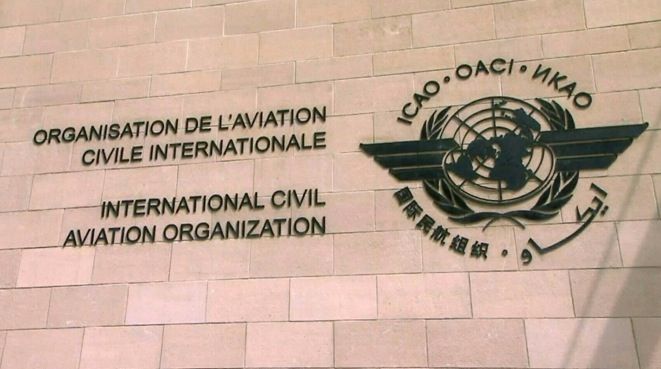
First meeting of the International Civil Aviation Organization following the COVID-19 pandemic and the invasion of Ukraine by Russia.
As the UN's aviation organization meets for the first time since the COVID-19 outbreak, nations are being asked to adopt a target of zero-net emissions for air travel rather than settling for "mere aspirations."
Salvatore Sciacchitano, president of the ICAO Council, stated that "mere aspirations are no longer sufficient where our climate, the well-being of our planet, and the well-being of all its species are concerned" during the opening of the International Civil Aviation Organization's (ICAO) assembly on Tuesday.According to Sciacchitano, the head of one of the agency's two governing bodies, "there is an expectation for aviation to be at the leading edge of our collective global reaction when crises confront humanity on a genuinely global scale, as they most surely do today."
The ICAO assembly, which occurs every three years, was preceded by a preliminary meeting in July where the 193 member states of the organization were urged to come to an agreement to attain zero carbon emissions by the year 2050.
The assembly, which spans 10 days in Montreal, Canada, is also anticipated to cover the recovery from the COVID-19 epidemic and aviation-related problems brought on by Russia's invasion of Ukraine, which led to the blacklisting of Russian airspace by Western governments and airlines.
Governments are attempting to reach an agreement after international airlines committed to reaching net-zero emissions by 2050 last October.With big economies like China, Russia, and India adopting less aggressive objectives for zero emissions by 2060 or 2070, reaching an agreement would likely entail overcoming large divisions among nations.
The International Air Transport Association (IATA), which is led by Willie Walsh and represents roughly 300 airlines, expressed hope that the ICAO would address the numerous issues plaguing the industry.
Willie Walsh stated that countries must take COVID-19's lessons to heart in order to prevent closed borders during the next pandemic from causing severe social and economic misery.
Governments must also make a personal commitment to decarbonization and adopt matching regulatory measures in order to assist the industry's goal of achieving net zero carbon emissions by 2050. Governments' wise choices can hasten COVID-19 recovery and fortify the decarbonization of aviation's foundations.Air travel contributes significantly to climate change, generating 2.5–3 percent of all emissions worldwide.
[zombify_post]

0 Comments