



















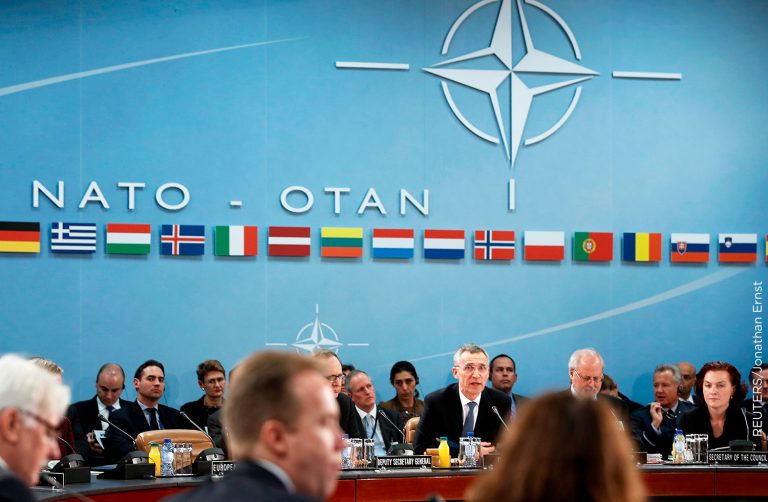
Belgium (AP) — Poland said that a Russian-made missile fell on its soil, killing two people, and U.S. President Joe Biden and his partners vowed cooperation for the inquiry into the incident. On Wednesday, ambassadors from the 30 NATO countries assembled in Brussels for emergency discussions.
The explosion occurred as Russia launched extensive aerial attacks across Ukraine, prompting worry and uncertainty about whether Russia might be extending the war it started against Ukraine in February and possibly involving NATO in the conflict.
However, according to three American officials, the missile appeared to have been fired by Ukrainian forces in response to an approaching Russian projectile, and Biden deemed it "unlikely" that Russia was the source of the missile's launch. Oana Lungescu, the head of NATO's press office, called the explosion a "tragic incident."
In a late-night statement on Tuesday, Poland stated that it was considering requesting emergency consultations under Article 4 of the NATO founding treaty, which permits such meetings if one of the 30 members believes that its territory may be in danger. However, it didn't seem like the meeting on Wednesday was an Article 4 consultation.
The most likely outcome of the meeting on Wednesday morning would seem to be a robust declaration of support for Ukraine and the Polish probe, repeating a joint statement from NATO and G7 leaders the previous night. However, important concerns remain unanswered.
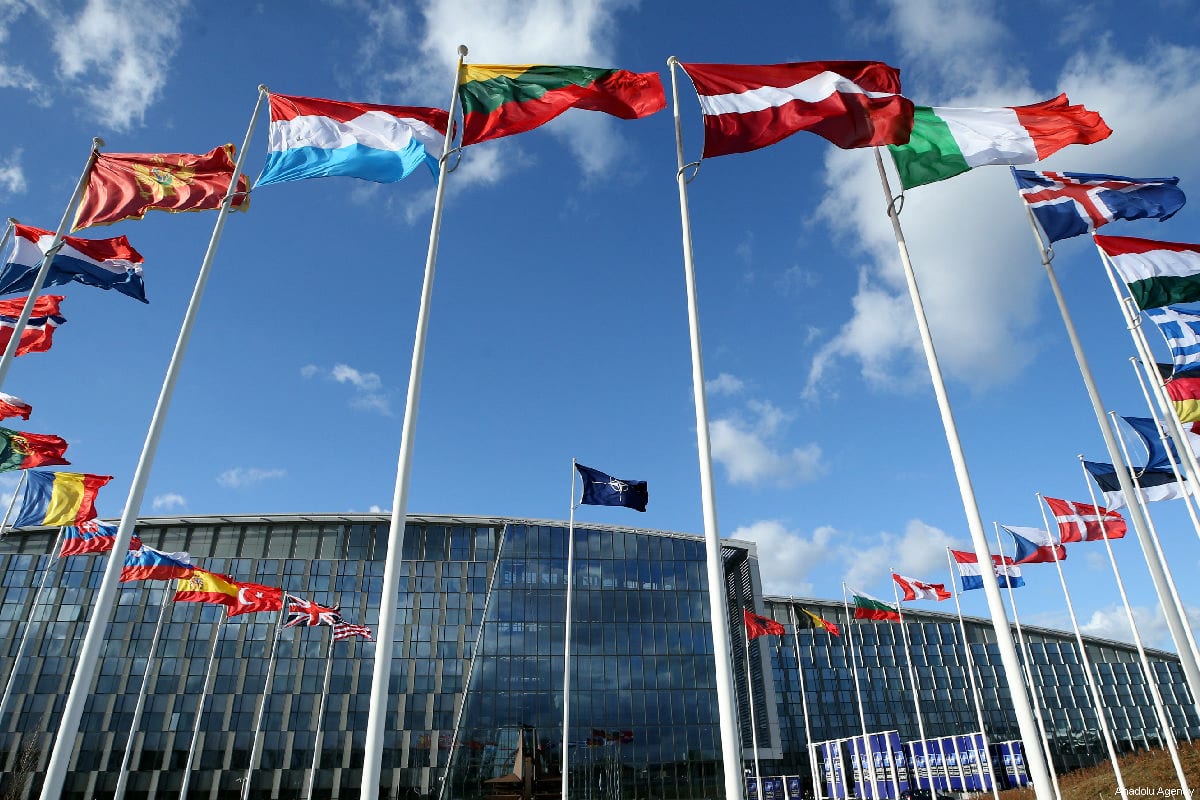
"We pledge to support Poland's ongoing inquiry fully and to give our help. As the inquiry moves forward, we agree to stay in close contact to decide the best course of action, the leaders stated on the sidelines of the G20 summit in Indonesia.
We affirm our continuous readiness to hold Russia accountable for its blatant attacks on Ukrainian communities and our unwavering support for Ukraine and the Ukrainian people in the face of ongoing Russian aggression.
Since President Vladimir Putin gave the order for Russian soldiers to enter Ukraine, NATO has worked to stay out of a larger conflict.
The largest security alliance in the world has denied to send soldiers into Ukraine and has rejected Kyiv's proposals to enforce a no-fly zone over its cities, which could necessitate allies engaging in airstrikes against Russian fighter jets or launching air defense systems against Russian territory.Although some of NATO's member states are supplying weapons and other assistance, NATO as a whole does not. To discourage Putin from making them his next target, the military alliance has concentrated on bolstering its forces in member nations close to Russia's and Ukraine's borders.
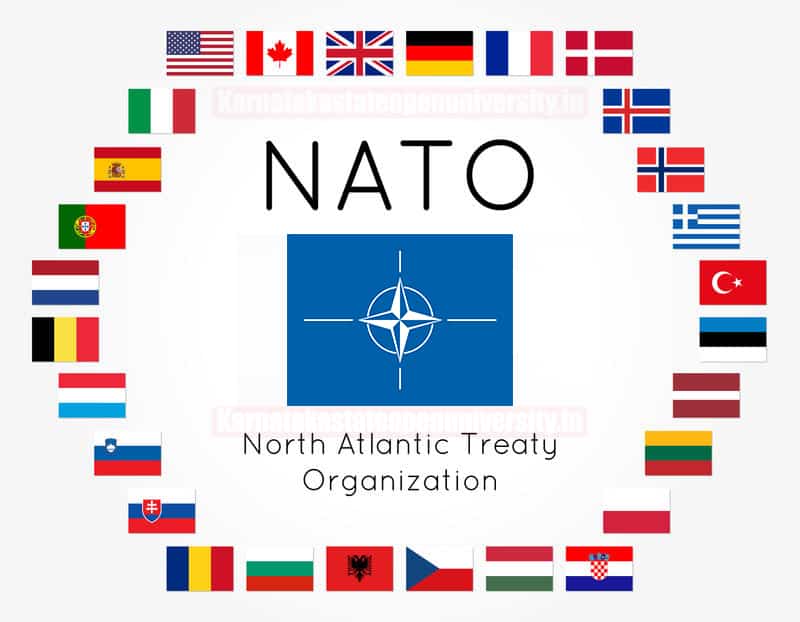
Following Russia's invasion of Ukraine in February, urgent Article 4 consultations were called for by Bulgaria, the Czech Republic, Estonia, Latvia, Lithuania, Poland, Romania, and Slovakia. When "the territorial integrity, political independence, or security of any (NATO) party is threatened," these are launched.
Only after these discussions and subsequent talks could the Warsaw government and its supporters invoke Article 5 of the Washington Treaty in the rare event that Poland felt like it was being attacked. Every member of the 30-nation military alliance is obligated by this collective defense provision to defend any ally who is under assault.
The United States only ever used Article 5 once, in the wake of the 9/11 attacks. As part of a security effort to deter the Taliban from gaining control, NATO and its international allies deployed to Afghanistan for almost two decades.
It would only be used as a last option against a nuclear-armed Russia.
[zombify_post]

0 Comments