



















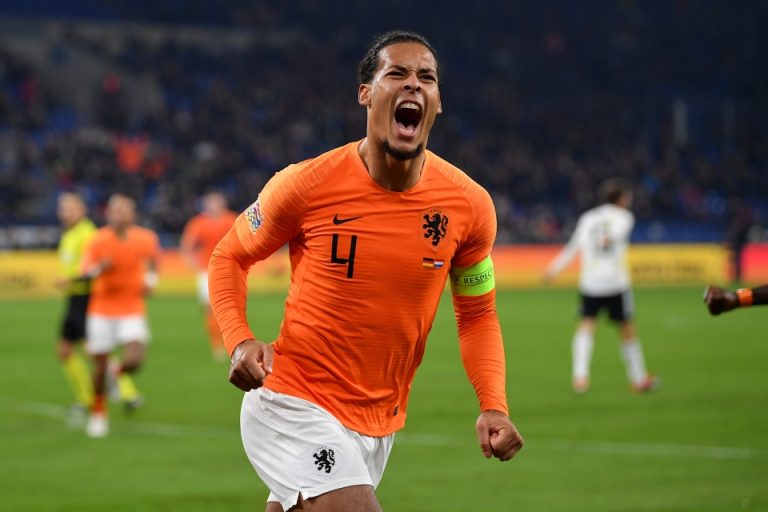
Virgil van Dijk, a defender for Liverpool, has made the sobering admission that his body suffered as a result of his hasty recovery from knee surgery and that he should have taken a break from first team obligations before and after the World Cup.
While Liverpool has failed to build a title threat, Van Dijk's performances have come under persistent scrutiny for the first time since his £75 million signing from Southampton in 2017.
But, the Dutchman claims that after making a remarkable recovery from a ruptured cruciate ligament injury 18 months prior, a personal comedown was unavoidable.
"I recovered from a serious injury. It requires therapy, patience, adjustment, and getting accustomed to, according to Van Dijk.
I participated in every Premier League game after recovering from my knee injury because I wanted to play and everyone else did. I got behind because I was playing too many games at once. I'll do all in my power to play on game day, but I could have also decided to take a little time off before the World Cup to prepare.
"But I didn't because I want to play and have a big impact for this football team because I care about this team and I work hard every day to make this team successful. But sadly, it caught up with me and my body. I'm not a robot, and I believe that entering the World Cup, attending the World Cup, doing nothing for a week, and then returning was perhaps not the best course of action.
This team deserves to play in the Champions League.
Van Dijk has acknowledged how badly the cruciate injury affected him for the first time after having knee surgery in October 2020.
We can all think back to 10 or 15 years ago, when it was challenging for athletes who had sustained this injury to compete at the greatest level, he remarked.
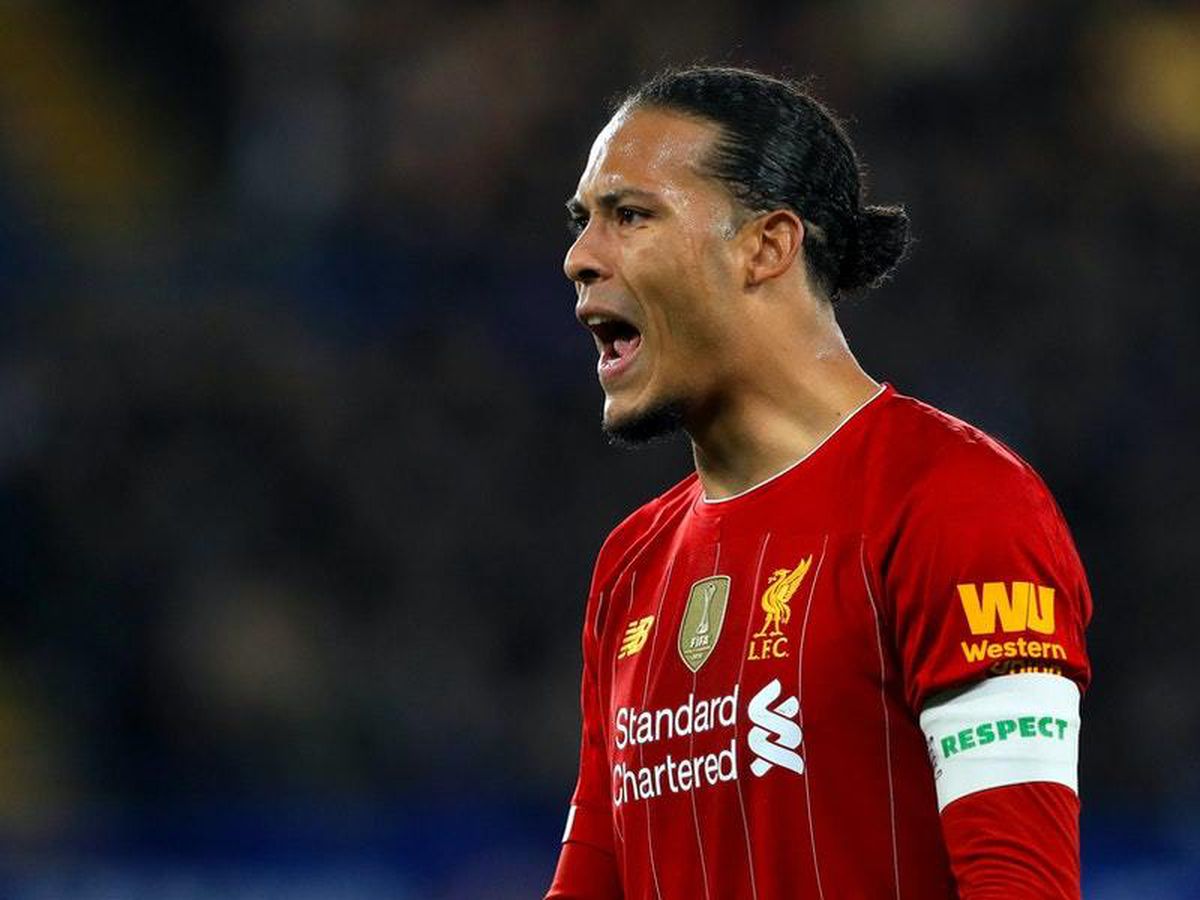
"Occasionally, others in the vicinity will take it for granted and consider it to be normal, but it isn't. That's what I'm attempting to demonstrate, though more to myself than to the outer world. Going out there, getting better, and making sure we qualify for the Champions League are all things I want to do. The Champions League is where this team belongs.
Van Dijk put on one of his season's most complete games after making his six-week hamstring injury comeback on Wednesday, scoring in the 2-0 victory over Wolverhampton Wanderers.
These six weeks gave me a chance to think back while also allowing my knee to adjust a little and prepare for the rest of the season, he said.
It was difficult to observe for those six weeks because you want to support the team and, in particular, when a hamstring issue is there, you must be very patient. Patience is not a word I use often. While I don't have it in me, I had to [be].
The game of football needs to acknowledge how times have evolved.
The footballers' unions delivered a stern warning about the risk of injury facing the most sought-after players in the world on the eve of this season.
Maheta Molango, chief executive of the PFA, asked Telegraph Sport, "Do they realize these men are not machines?" in response to performance data showing how top athletes are playing more and sleeping less.
A research conducted by the international footballers' union, Fifpro, just before the World Cup in Qatar, came to the conclusion that "severe overload" would eventually take its toll.
They emphasized the fact that one player in particular was in the danger zone before captaining his nation in Qatar. Van Dijk played 7,597 minutes and made 78 appearances for Liverpool and Holland between July 2021 and October 24. No World Cup participant played more during that time.
Hence, it comes as no surprise that Van Dijk injured his hamstring shortly after returning from overseas duties.
It is simple to point the finger at the usual suspects for failing to see the warning signs; Fifa and Uefa are particularly responsible for their willful disregard for requests to cut back on contests and forventing new ones or extending existing ones.
Nonetheless, all football fans share some responsibility for ignoring congestion warnings and concluding that there must be a deeper, more significant explanation for a decline in standards.
It is typical to hear people say, "They get paid enough; they should just get on with it," when another lackluster performance calls for ever-imaginative and deeper explanations for a slump in performance. There have been several elaborate reasons put up in Van Dijk's case, with the most popular one being the charge that he was'saving himself for the World Cup' early in the season.
Sometimes the obvious solution is the right one. After recovering from a severe knee injury, Van Dijk obviously played too much football because of his effect on the Liverpool team, which prevented him from taking a break. He also acknowledges that he would not have appreciated being left out.
Another basic issue for managers who anticipate injury risks is that they are managing stars who frequently learn the logic behind squad rotation after the fact, when it is already too late as they recuperate from an injury.
Even today, it is amazing how frequently we witness elite strikers complaining about being replaced after their team had a comfortable lead with 20 minutes remaining. These players seem to have lost sight of the fact that protecting their limbs for the following week is more important than increasing their goal total in a game they have already won.
When you think back twenty years, it is astounding how frequently a manager 'tinkering' with his starting lineup was a news item as important players balked at squad rotation practices. Any interview with Michael Owen today will reveal that he freely acknowledges that his best days were before to his first hamstring strain and that playing too much football between the ages of 17 and 21 diminished his abilities. Before suffering a cruciate knee injury in 1998, Robbie Fowler may have been similarly described. Nonetheless, when they were teenagers, they detested missing any games and would ponder the manager's decision.
Van Dijk has clearly contributed to this unpredictable performance and is far from the only player that is overworked, especially at Liverpool. The fact that Arsenal had a complete summer to recharge and storm out of the gates cannot be overlooked when the story of this Premier League season is recounted. Newcastle United is comparable in this regard. The teams that had the most conditioning time to play a high-intensity game every week thrived, whereas teams that had been doing it for years – even Manchester City – had not consistently performed to the same level.
Van Dijk's remarks don't change the fact that Liverpool must make roster changes at the end of this season, nor do they change the fact that the team should have been better prepared for the effects of past seasons' rigors had it had access to the data.
Nevertheless, they also give some insight into why Klopp is certain that those senior players who escape his cull will seem revitalized in a year. He doesn't see the necessity to replace them. They simply require a summer break.
[zombify_post]

0 Comments