



















Venezuelans living in the US as of early March 2021 are protected from possible deportation by the US by extending Temporary Protected Status (TPS) for an extra 18 months.
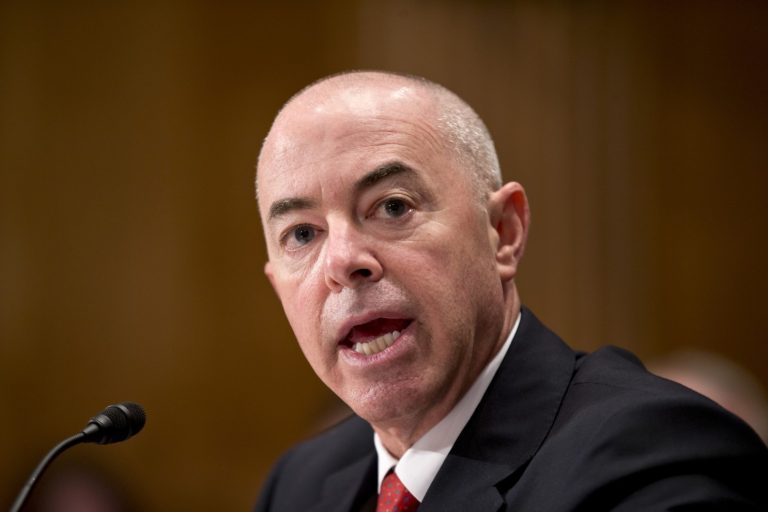
Venezuelans living in the US as of March 8 of last year would be able to apply, according to a statement made on Monday by Alejandro Mayorkas, the secretary of homeland security for the US.Majorkas claimed that the action was "only one of many ways the Biden administration is supporting Venezuelans at home and abroad through humanitarian means."
When it is deemed unsafe for foreign people to return to their home countries due to armed conflict, a natural disaster, or other temporary situations, the US government may use the TPS designation to protect them from deportation.
According to the United Nations, over six million people have fled Venezuela as a result of the country's rising violence, a lack of access to basic necessities like food and medicine, and political unrest.In search of refuge, hundreds of migrants, largely from Central America and Venezuela, started traveling on foot from southern Mexico to the US border last month.However, the DHS ruling from Monday does not re-designate TPS for Venezuela, which means that anyone who entered the US after March 8, 2021, will not be eligible. This has angered immigration advocates.
The American Immigration Council's policy director, Aaron Reichlin-Melnick, tweeted that "none of the 150,000+ Venezuelans who have entered since then would qualify" as a result.
In order to expand the safeguards, immigration rights organizations and several US lawmakers—including those from President Joe Biden's own Democratic Party—had urged the government to re-designate Venezuela.
Progressive advocacy group FWD.us expressed their "disappointment" with the decision to renew but not re-designate TPS for Venezuela in a statement on Monday.Instead, the group claimed, "These community members will now be in danger of being deported to a chaotic country where they continue to endure perilous conditions." putting them at grave danger of violence and possibly even death.
On September 10, 2022, the 18-month extension will start, and it will end on March 10, 2024.343,000 Venezuelans living in the US, according to the Department of Homeland Security (DHS), are qualified for TPS, which also permits foreigners to apply for work permits and submit travel authorization applications.In March 2021, the Biden administration extended TPS to Venezuela, citing the country's "intense upheaval" and inability to provide for its population.
Democrats Chris Van Hollen and Bob Menendez wrote Majorkas and US Secretary of State Antony Blinken last week that since then, "threats to civilians by armed actors, the complete erosion of the rule of law, and the systemic collapse of vital infrastructure have forced nearly half a million additional people to flee the country."
According to the lawmakers, as of May 5, 76,450 Venezuelans had been granted TPS, and they encouraged the Biden administration to renew and re-designate the nation.
Denying TPS will only guarantee that Venezuelans will live in poverty in the United States with no other options, they argued, failing to act as an effective deterrent to future border crossings.Honduras, Nicaragua, Haiti, and El Salvador are more nations in the Americas that have TPS statuses.
A US think tank, the Council on Foreign Relations (CFR), reported in late March that there were 198,000 TPS holders from El Salvador living in the US, along with 41,000 from Haiti and 60,000 from Honduras.
However, under a pandemic-era border rule called as Title 42, human rights groups have criticized the US for refusing entrance to refugees and asylum seekers from nations with a high rate of violence.
Despite the fact that some countries, including Haiti, have TPS designations, the Biden administration has turned away migrants from such countries at the southern border of the US with Mexico and even deported some of them back there on deportation flights.
A former US special representative to Haiti resigned from his position in September 2021 due to the "inhumane" deportations of Haitian asylum applicants.
In light of unprecedented numbers of asylum seekers entering at the US-Mexico border, Biden has been under political pressure to renege on some of his predecessor Donald Trump's most virulent anti-immigration initiatives.
[zombify_post]

0 Comments