



















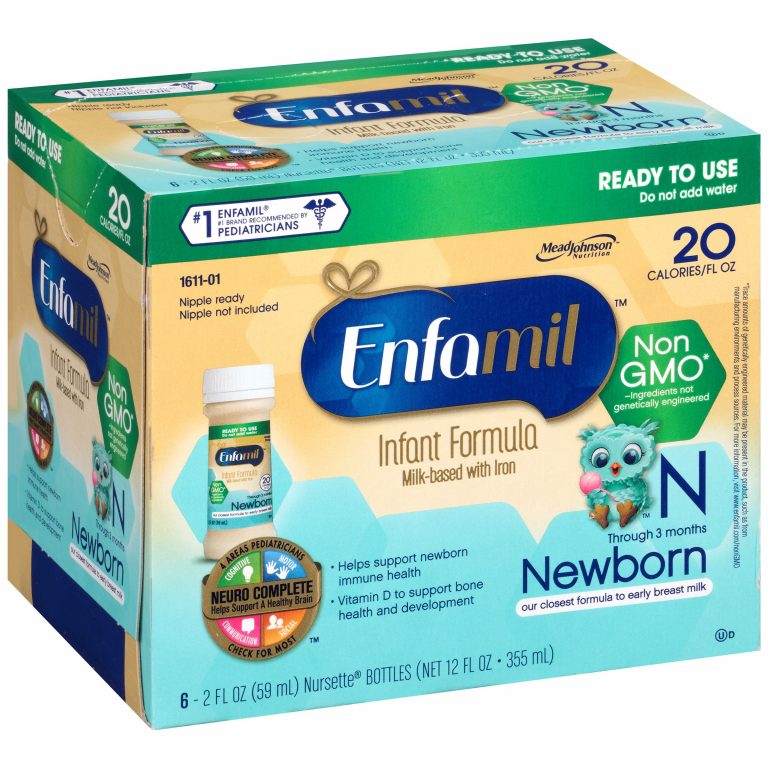
The largest domestic formula manufacturer in the country was briefly shut down by Food and Drug Administration inspectors in February as a result of bacterial contamination.
In an effort to diversify the heavily concentrated business in the country and avoid future shortages, American officials have proposed a plan to permit foreign infant formula producers to remain on the market for an extended period of time.
The Food and Drug Administration announced on Friday that newcomers to the US market will have until October 2025 to ensure that their formulas adhere to government standards for production, labeling, and nutrition. Some businesses ought to be able to fulfill such requirements sooner, the government added.Since February, when FDA inspectors temporarily closed the country's largest domestic formula facility owing to bacterial contamination, the US has been obliged to turn to overseas manufacturers to increase the supply of infant formula.
President Joe Biden authorized the airlift of millions of pounds of powdered infant formula from abroad in May, and the FDA loosened federal import restrictions. According to the FDA, these activities together resulted in the importation of 300 million bottles of infant formula.
FDA Commissioner Robert Califf said in a statement that "manufacturers from across the world have proved their commitment to helping increase US supply and, in turn, we are committed to continuing these flexibilities enabling their goods to safely remain on the market."The FDA announced that the policy allowing imports would be extended to January, after which companies can request to stay on the market longer. The policy was originally scheduled to expire in November.
A small number of businesses with domestic production facilities have controlled the US formula market for decades, dominating comparable goods from Europe, Australia, and Latin America. Safety and affordable prices have come to be prioritized in the US system, favoring a select few major businesses.
Foreign formula firms that want to continue operating in the US must, among other requirements, satisfy strict limits for 30 nutrients and submit to FDA production inspections.
The FDA formally recognized earlier this month that its response to the shortfall had a number of flaws, including obsolete IT systems and undertrained food facility inspectors.
[zombify_post]

0 Comments