



















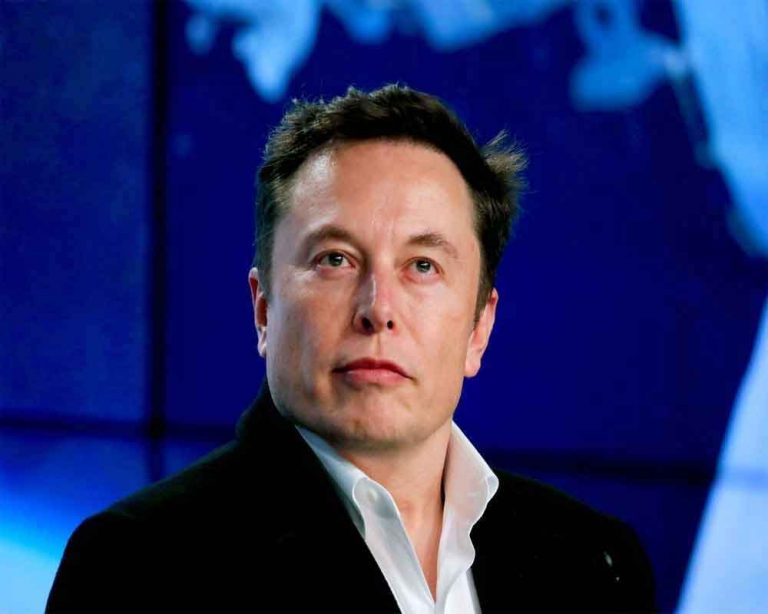
After Saudi Arabia's Prince Alwaleed bin Talal expressed his objection to the billionaire entrepreneur's plan to buy Twitter Inc, Elon Musk questioned Saudi Arabia's role in the company.
Musk's offer of $43 billion in cash did not come close to the "intrinsic worth" of Twitter, the prince tweeted on Thursday from his verified account
"As one of Twitter's largest and longest-term shareholders, @Kingdom KHC & I reject this offer," the prince stated, referring to his company, Kingdom Holding Company, based in Saudi Arabia.
The prince also uploaded a tweet from 2015, in which he stated that his company's Twitter ownership holding had increased to 5.2 percent.
Musk, who owns 9.2 percent of Twitter, responded to the message by questioning how much of the company was owned by Saudi Arabia, both directly and indirectly.
"How does the Kingdom feel about journalistic freedom of expression?" Musk went on to say.
The software mogul has stated that he wishes to take Twitter private in order to help it flourish and become a forum for free speech.Twitter users and human rights activists were quick to respond to the billionaire's inquiries, with the Freedom Initiative in the United States citing the case of Abdulrahman al-Sadhan, a Saudi man condemned to 20 years in prison for his tweets.In the Kingdom, is it possible to express oneself freely? "This is what happens in Saudi Arabia when young charity workers create satirical Twitter accounts," the organization tweeted.
Saudi Arabia, which has a population of 34.8 million people, had more than 12 million Twitter users in January.
Saudi Arabia, on the other hand, does not allow independent media, is frequently accused of cracking down on dissent, and allegedly closely monitors Saudi journalists working abroad, according to US intelligence, which directly links Saudi Crown Prince Mohamed bin Salman to the murder and dismemberment of journalist Jamal Khashoggi at the kingdom's consulate in Istanbul in 2018.The US Justice Department charged two former Twitter employees in 2019 with obtaining information on US citizens and Saudi dissidents who were critical of the kingdom's policies while working for the business.
Musk responded to a tweet on Thursday with a monocle emoji in response to a link to a New York Times piece on the arrests.Musk's proposal to buy Twitter, on the other hand, has generated concerns about how he will modify the firm, particularly when it comes to what many perceive to be critical safeguards in place to combat misinformation on the network.
Musk has been one of the most outspoken critics of the site's so-called censorship.
On Twitter, Marc Owen Jones, an assistant professor of Middle East studies at Hamad Bin Khalifa University in Qatar, stated, "Disturbing to think that a Saudi Prince and Elon Musk are basically the two persons choosing the future of a global communications platform."
On Thursday, Twitter stated that it would "seriously consider the proposal" to decide the "best course of action" for the company and all Twitter stockholders
Musk, who is worth $273.6 billion according to Forbes, turned down an offer to join Twitter's board of directors on Saturday after reporting his investment, a move analysts believed signaled his takeover aspirations because a board position would have capped his shareholding to just under 15%.
[zombify_post]

0 Comments