



















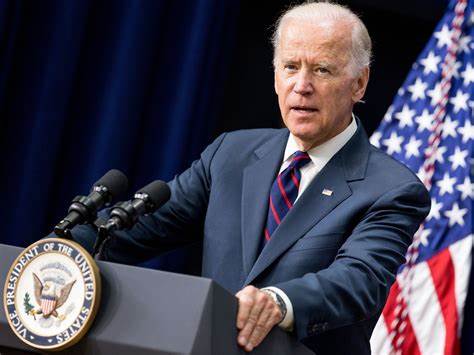
At a series of emergency conferences in Europe this week, President Joe Biden and other world leaders plan to finalize and announce a package of fresh sanctions aimed at punishing Russia, assisting Ukraine, and demonstrating Western solidarity.
However, few observers believe that anything the leaders can agree on will be enough to end the bloodshed in Ukraine or deter Russian President Vladimir Putin from continuing his attacks, which are increasingly harming civilians.
According to several people familiar with the plans, American and European officials have been discussing possible announcements for leaders to make at the conclusion of the NATO leaders summit since the prospect was first raised about two weeks ago.
New rounds of penalties against Russian oligarchs, new financial restrictions, and new measures to limit Russian energy imports might all be part of the plan. New shipments of military assistance or financial aid to reinforce Ukraine's defenses are also being discussed.In addition, Biden has left open the possibility of increasing US troop deployments to NATO nations along the alliance's eastern border, underscoring the United States' commitment to European defense at a crucial time.
However, the sobering reality that such actions are unlikely to halt Putin's war will hang over Biden's trip to Brussels, where he will attend a special meeting of the North Atlantic Treaty Organization, as well as a special session of the European Council and a G7 summit. Officials have speculated that Biden may make another stop in Eastern Europe, possibly in Poland. On Wednesday, he will leave Washington for the high-level diplomatic maneuvering.
While Biden has been successful in gathering European and Asian allies behind a harsh set of sanctions and unprecedented levels of military aid, he and his NATO counterparts have drawn lines in the sand as to where their support will end. While all parties appear to be in favor of a diplomatic solution to the situation, US and European officials warn the contours of such a deal are yet unknown.
That left the question of whether Biden's trip to Europe, which is one of his pivotal moments as president, will change the direction of Europe's bloodiest crisis since World War II. And it raises another issue that world leaders must begin to address: what will happen if, or when, Ukraine is unable to withstand Russia's assault?"They'll have to consider what happens if Ukraine falls," retired Army Gen. Wesley Clark, a former NATO supreme allied commander, said. "They must evaluate what more can be done to keep Ukraine in the battle once they have considered the matter of what will happen if Ukraine collapses. Yes, there is a chance. Dealing with Mr. Putin is always fraught with danger.""They'll have to think about what happens if Ukraine falls," said retired Army Gen. Wesley Clark, a former NATO supreme allied commander. "They must assess what else can be done to keep Ukraine in the fight after considering what will happen if Ukraine falls apart. There's a possibility. Dealing with Russian President Vladimir Putin is always risky."
[zombify_post]

0 Comments