



















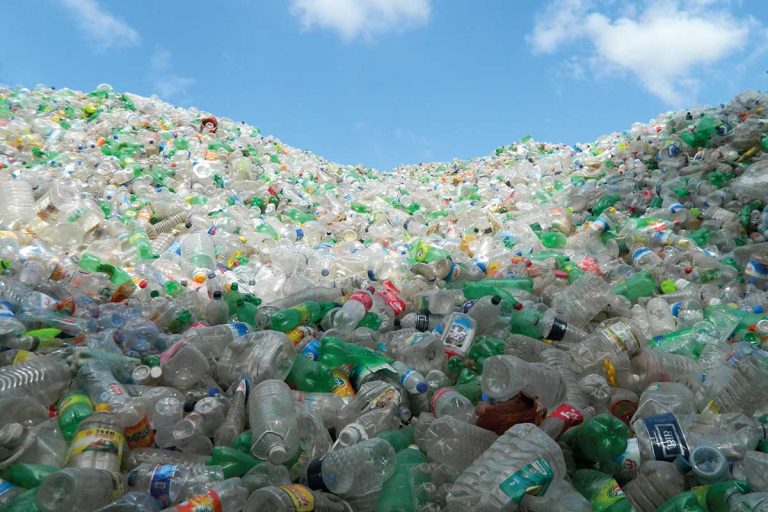
During the UN Environment Assembly in Nairobi in March, member states of the UN unanimously approved a historic resolution to end plastic pollution. Governments decided to begin drafting a global, legally binding agreement that will take plastic into account during its entire lifecycle and go into force in 2024. The choice has been referred to be historic, revolutionary, and audacious.
An Intergovernmental Negotiating Committee was created by resolution to draft the contract's language. On November 28, it will hold its inaugural meeting in Uruguay.
I'm torn between excitement and dread as I consider the approaching talks for the plastics treaty. I can understand how the plastics pact would put an end to the disposable plastic era. The world has the chance to create a comprehensive international plastics treaty, a response that can match the scope of this catastrophe.
On the other hand, I have witnessed how even the most optimistic initiatives may backfire when the interests of powerful corporations are at stake. Corporations invest millions of dollars in thwarting, postponing, and sabotaging legislative initiatives and international agreements. While this is going on, major corporations like Coca-Cola, PepsiCo, Unilever, and Nestlé make public commitments to reduce their usage of plastic but routinely fail to follow through.
Regulations governing plastic have been implemented all throughout the world, but much more has to be done. Communities on the front lines are still battling plastic pollution in all of its guises. The largest social and environmental costs of sachet production, garbage trade, and rubbish burning are borne by the Global South.
Our towns in the Philippines, one of the countries that receives the most plastic garbage from all over the world, bear a disproportionate amount of the damage that plastic pollution causes to the ecosystem. We are in danger because firms, working hand in hand with big oil, continue to burden us with their disposable packaging that is bad for our health and the environment in order to maximize their profits.
It is imperative that the Global Plastics Treaty quickly set production and use caps on all plastics. As 99 percent of plastic is made from fossil fuels, reducing the quantity of plastic that businesses produce and consume is consistent with the target of limiting global warming to 1.5 degrees Celsius. The corporate addiction to single-use plastic must be broken in order to combat climate change and save local communities.
The Global Plastics Treaty that we require must curtail excessive plastic production, preserve oil and gas reserves, and promote refill and reuse techniques.
For impacted groups and the most vulnerable stakeholders, such as fenceline communities in "sacrifice zones" close to plastic production sites, fishermen, and employees along the plastics supply chain, we must assure not only justice but also a just transition.The voices of affected communities, waste pickers, and populations driven from their homes by plastic pollution must be heard for this treaty to have any real impact. To ensure that we don't leave anyone behind, their expertise and experiences are crucial. More significantly, environmental and climatic justice demands their genuine and active participation in this process.
While achieving all of these goals will be difficult, addressing the plastic pollution catastrophe is essential to combating climate change and is genuinely achievable. The globe is contributing scalable solutions to the reuse revolution, including the return of returnable glass bottles in the beverage industry and the use of reusable cups at convenience stores and community shops.
At the municipal and national levels, systemic transformation is being facilitated by regulations like plastic bans and upstream-focused extended producer responsibility policies. I refer to these as "pockets of hope and change."
We must speak up during the treaty discussions over large businesses, huge oil, and politicians that cater to them. We must make sure that the pact prioritizes the needs of people, environmental justice, and our climate. We must watch out that the Global Plastics Treaty doesn't fall short of its potential to be one of the most important environmental agreements in history.
[zombify_post]

0 Comments