



















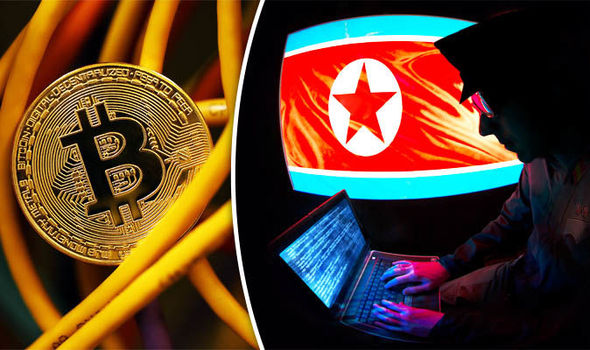
Just days after North Korea launched three ballistic missiles into the sea in January, a group of South Korean spies and American private investigators met in secret at the South Korean intelligence service.
They had been tracking $100 million stolen from Harmony, a cryptocurrency company in California, for months, hoping that North Korean hackers would transfer the stolen cryptocurrency into accounts where it could be later exchanged for dollars or Chinese yuan, hard currencies that could be used to finance the country's nefarious missile program.
The spies and sleuths, operating out of a government office in Pangyo, South Korea's Silicon Valley, would only have a short window of time to assist in the seizure of the funds before they could be laundered to safety through a network of accounts and made unreachable.
Finally, in late January, the hackers temporarily gave up control of their windfall by moving a portion of it to a cryptocurrency account tied to the dollar. The spies and detectives pounced, alerting US law enforcement personnel waiting to freeze the funds about the transaction.
That day, the team in Pangyo contributed to the seizure of just over $1 million.
It was the kind of seizure that the US and its allies will need to prevent significant payouts for Pyongyang, analysts tell CNN, even though the majority of the $100 million that was stolen is still out of reach in cryptocurrency and other assets that North Korea controls.
The sting operation offers a rare window into the shadowy world of cryptocurrency espionage — and the growing effort to shut down what has developed into a multibillion-dollar industry for North Korea's authoritarian regime. It was described to CNN by private investigators at Chainalysis, a New York-based blockchain-tracking firm, and confirmed by the South Korean National Intelligence Service.
[zombify_post]

0 Comments