



















Raw Red Pepper
The foods highest in vitamin C per calorie are bell peppers. That's excellent for your eye's blood vessels and may reduce your risk of developing cataracts, according to scientific research. It can be found in a wide variety of fruits and vegetables, such as strawberries, bok choy, cauliflower, and papayas. Since heat degrades vitamin C, opt for raw foods whenever possible. Peppers with vibrant colors also contain vitamins A and E that are good for the eyes.
Sunflower Nuts and Seeds
Half of the daily recommended amount of vitamin E for adults is present in an ounce of these seeds or almonds. Vitamin E, along with other nutrients, has been shown in a sizable study to decrease the progression of age-related macular degeneration (AMD). It might also aid in cataract avoidance. Other excellent sources of vitamin E include hazelnuts, peanuts (which are technically legumes), and peanut butter.
Dark, Leafy Greens
Dark Leafy Greens
Salmon
Salmon
Sweet Potato
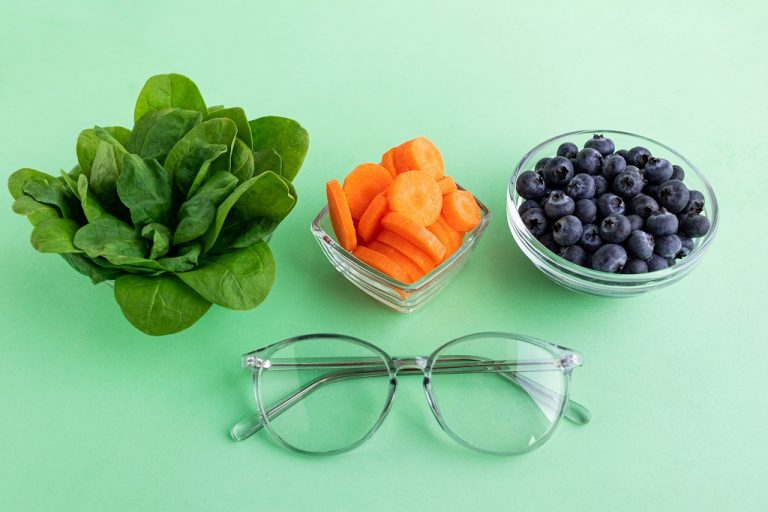
The beta-carotene found in orange fruits and vegetables, such as sweet potatoes, carrots, melons, mangos, and apricots, aids in night vision, your eyes' capacity to adapt to darkness. A sweet potato also contains a small amount of vitamin E and more than half the daily recommended amount of vitamin C.
Lean meat and poultry
Zinc brings vitamin A from your liver to your retina, where it's used to make the protective pigment melanin. Oysters have more zinc per serving than any other food, but you don't have to be a shellfish lover to get enough: Beef, pork, and chicken (both dark and breast meat) are all good sources.
Beans and Legumes
Want to slow AMD and maintain your nighttime vision sharpness by choosing a vegetarian, low-fat, high-fiber option? Black-eyed peas, kidney beans, lentils, and chickpeas are also rich in zinc. Additionally, a can of baked beans will work.
Eggs
It's a great package deal: The zinc in an egg will help your body use the lutein and zeaxanthin from its yolk. The yellow-orange color of these compounds blocks harmful blue light from damaging your retina. They help boost the amount of protective pigment in the macula, the part of your eye that controls central vision.
Squash
Your body can't make lutein and zeaxanthin, but you can get them from squash all year long. Summer squash also has vitamin C and zinc. The winter kind will give you vitamins A and C as well as omega-3 fatty acids, too.
Broccoli and Brussels sprouts
These closely related vegetables contain vitamin A (as lutein, zeaxanthin, and beta-carotene), vitamin C, and vitamin E, which is another potent combination of minerals. All of them act as antioxidants to shield the cells in your eyes from free radicals, an unstable molecular type that damages sound tissue. Your retinas are particularly weak.
[zombify_post]

0 Comments