



















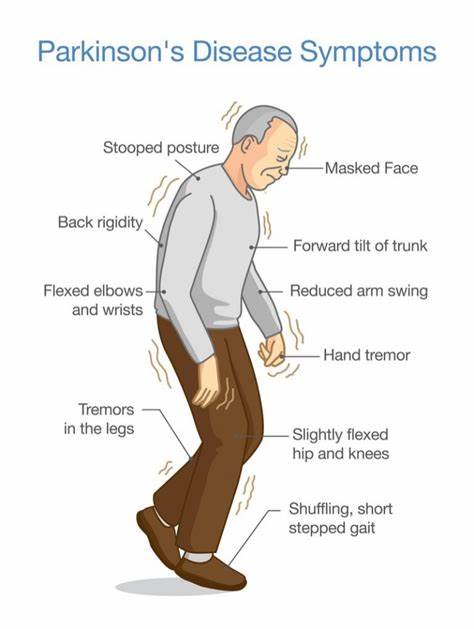
Millions of people worldwide suffer with Parkinson’s disease, a neurodegenerative condition that has long fascinated and perplexed scientists and medical experts. Parkinson’s disease presents a great deal of difficulties for both the person who has it and those who care for them. It is typified by tremors, rigidity, and poor movement. Researchers have come a long way in comprehending the fundamental causes of Parkinson’s disease over the years, illuminating the intricate interactions between genetic, environmental, and neurobiological factors. This article will discuss the most recent scientific findings that have helped to solve the puzzle of Parkinson’s disease and provide hope for better therapies and perhaps even a cure.
A Historical View on Parkinson’s Disease Origins
In his seminal work “An Essay on the Shaking Palsy,” published in 1817, British physician James Parkinson provided the first description of Parkinson’s disease. Parkinson’s keen observations of people with bradykinesia, stiffness, and tremors set the stage for our current understanding of the condition. But it wasn’t until the 20th century that researchers started to identify the fundamental processes behind Parkinson’s disease.
Neurodegeneration and Dopamine Depletion
The progressive loss of dopamine-producing neurons in the substantia nigra, a part of the brain involved in movement regulation, is one of the defining characteristics of Parkinson’s disease. Dopamine is an essential neurotransmitter that helps brain cells communicate with one another, especially when it comes to motor performance. Parkinson’s disease symptoms are caused by abnormalities in the neuronal circuits that control movement coordination as a result of dopamine depletion in the brain.
Aggregation of Alpha-Synuclein: The Significance of Protein Misfolding
The pathophysiology of Parkinson’s disease has drawn the attention of researchers in recent years, who have concentrated on the involvement of alpha-synuclein, a protein that is widely distributed in the brain. Alpha-synuclein aggregates and folds abnormally in Parkinson’s disease patients, resulting in Lewy bodies—insoluble clumps. It is thought that these protein aggregates have a role in both the advancement of Parkinson’s disease and the degradation of dopamine-producing neurons.
Deciphering the Genetic Foundation of Parkinson’s
A tiny proportion of Parkinson’s disease cases are inherited, but the majority are sporadic, meaning they happen without a recognized genetic reason. In the last few decades, scientists have discovered a number of genes linked to family types of Parkinson’s disease, offering important new information on the disorder’s genetic foundation. Parkinson’s disease has a complex genetic makeup, as seen by the mutations linked to the development of genes like SNCA, LRRK2, and Parkin.
Examining Environmental Risk Factors and Environmental Triggers
Parkinson’s disease is largely influenced by environmental variables in addition to genetic risk. Heavy metals, industrial chemicals, pesticides, herbicides, and other environmental contaminants have all been linked in epidemiological studies to an increased incidence of Parkinson’s disease. Parkinson’s disease may advance more quickly and dopamine neuron degeneration may be accelerated by exposure to several environmental triggers.
Uncovering Cellular Energy Imbalance via Mitochondrial Dysfunction
Recent research indicates that oxidative stress and reduced energy generation are signs of mitochondrial malfunction, which may be a major factor in the etiology of Parkinson’s disease. Adenosine triphosphate, or ATP, is the main source of energy for cells and is produced by mitochondria, the powerhouses of the cell. Parkinson’s disease can worsen over time due to neuronal loss, oxidative damage, and energy depletion caused by mitochondrial dysfunction.
Examining the Gut Microbiota Connection in the Gut-Brain Axis
The gut-brain axis, which is a two-way communication channel between the gut and the brain, has been implicated in recent research as a possible modulator of Parkinson’s disease. People with Parkinson’s disease have been shown to have changes in their gut microbiota, which is the diverse collection of bacteria living in the gastrointestinal tract. An increasing body of research indicates that modifications to the composition of the gut microbiota may have an effect on neuroinflammation, the aggregation of alpha-synuclein, and neurotransmitter function, all of which may have an effect on the onset and course of Parkinson’s disease.
Innovative Treatment Strategies: Aiming at the Core of Parkinson’s Disease
Equipped with an enhanced comprehension of the fundamental reasons behind Parkinson’s disease, scientists are investigating inventive treatment approaches targeted at delaying or stopping the disease’s advancement. Numerous prospective treatments are now being investigated, including targeted pharmacological therapies, neuroprotective medicines, gene therapy, and stem cell transplantation. Furthermore, lifestyle therapies that include exercise, dietary changes, and stress reduction methods have demonstrated promise in enhancing the quality of life and symptomatology of Parkinson’s patients.
In summary
To sum up, the identification of the fundamental reasons behind Parkinson’s disease is a noteworthy advancement in the investigation of this crippling condition. Numerous factors, including genetic predisposition, environmental triggers, dopamine depletion, and alpha-synuclein aggregation, have been identified by researchers as contributing to the etiology of Parkinson’s disease. With this information at hand, researchers can create focused treatments and interventions that will target the disease’s underlying causes and enhance the quality of life for Parkinson’s patients. There is hope that Parkinson’s disease will one day be efficiently controlled and, eventually, cured rather than a cause of anxiety and uncertainty as research into the disorder continues.
[zombify_post]

0 Comments