




















There has been growing concern about the content that young people receive on social media and how it influences how they see themselves.
Amid claims that some users have struggled with body image issues, suicide ideation, and other mental health repercussions, politicians and lawmakers have heightened their scrutiny of the firms behind social media apps like Instagram, TikTok, and Snapchat.
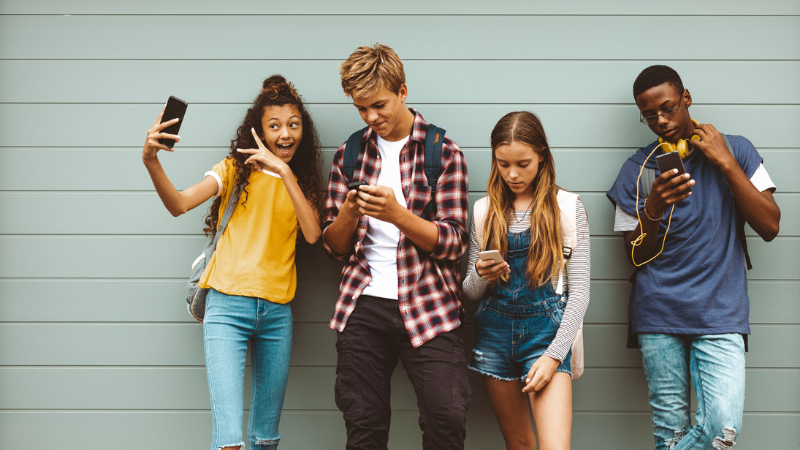
The American Psychological Association on Tuesday published a list of ten suggestions for how teenagers should use social media, including teaching them media literacy and setting time limits on their screen use to avoid interfering with their sleep or physical exercise.
The recommendations recognize that kids will use social media regardless of what, thus the group claimed it intends to provide advice for teenagers as well as the parents, teachers, and tech businesses involved in their lives.
The use of social media should be adapted to young people's developmental capacities, "problematic social media use" should be routinely screened for, and teens should be discouraged from using social media to compare others' appearances or physical attractiveness.
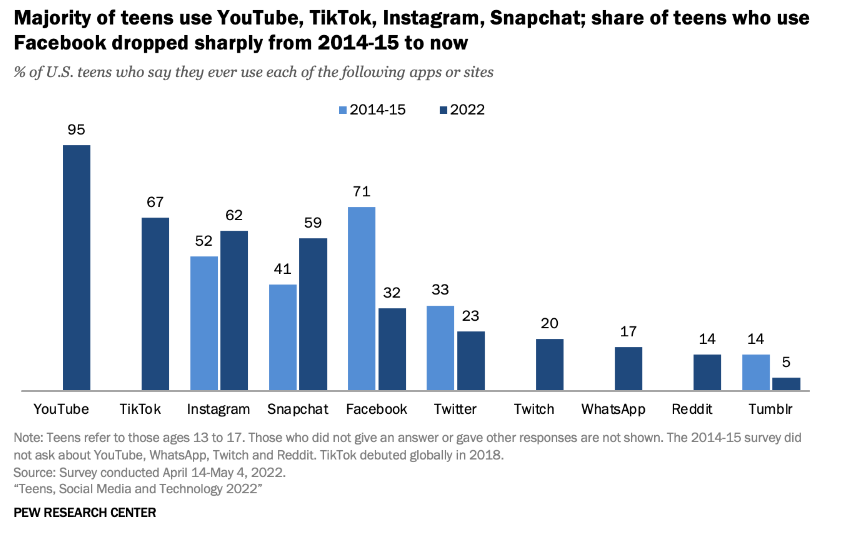
The APA's chief science officer and a co-chair of the advisory council that created the recommendations, Mitch Prinstein, said that there has been a lot of discussion about social media recently, including some suggestions that do not make sense scientifically.
"We are making this report available now to provide a science-based and fair perspective on this issue so that all stakeholders can make decisions based on our expertise regarding the potential benefits and risks associated with social media," the paper's authors write.
According to Prinstein, the proposals were given by experts in a variety of psychology fields. To identify where science has come to a consensus regarding kids and social media, they examined the most recent study, he claimed.
Some of the experts' suggestions are sensible, like giving kids information about the advantages and disadvantages of social media, but others are more ambiguous, like limiting teens' exposure to "cyberhate."
In saying keeping teenagers safe should be a team effort that includes creating policies, enforcing parental control, and changing how businesses produce their goods, Prinstein contrasted kids using social media to driving a car.
“Social media is here to stay,” Prinstein said. “So we need to teach kids how to get the best they can from it and avoid the worst.”
[zombify_post]

0 Comments