



















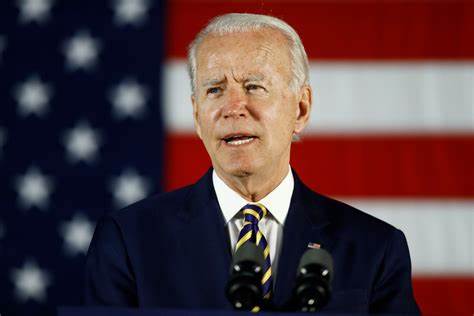
This week, or any other week for that matter, Joe Biden may have preferred not to travel to the Middle East. He has a packed schedule.
The midterm elections in November appear to be shaping up to be brutal for the president's Democratic Party colleagues in the US Congress. Since the peak of the Cold War, the Russian invasion of Ukraine has sparked the world's two largest nuclear-armed superpowers' most severe conflict. China is closely monitoring any indications of American weakness as its own unstoppable rise to global dominance continues.
Even worse, President Biden's own trips to the Middle East in the past have demonstrated the limits of American strength. When he called for a halt to Israel's settlement programs for Jews in the occupied territories, which are unlawful according to international law, Benjamin Netanyahu humiliated him on a trip to Jerusalem as Barack Obama's vice president.
He will travel to Saudi Arabia where he will attend a conference of Gulf leaders together with those of Jordan, Egypt, and Iraq after visiting Israel and the occupied Palestinian territories for a short time.
The depth and complexity of the challenges that President Biden is attempting to manage are the reasons he is traveling
The final glimmer of a peaceful future that followed the end of the Cold War more than 30 years ago has been extinguished by the Russian-Ukrainian conflict. The economic effects could cost him if Americans vote against him. And the conflict in the Middle East between American allies and Iranian allies is escalating once more; if it progresses from threats and covert conflict to another hot war, it will be just as perilous and destabilizing as Russia's conflict in Ukraine.loss of faith
Politically, President Biden's trip could serve as another another illustration of how little power the United States still has in the Middle East. Mr. Biden will once more advocate for the creation of a Palestinian state alongside Israel, or the "two state solution." When he departs, he is aware that it will still be far away. However, Mr. Biden has reinstated the reductions in American aid to the Palestinians.
The Saudis will be asked to produce more oil and sell it for less money, which will make the situation much more unpleasant. Even though the US is no longer reliant on oil imports from the Gulf, the economic turmoil that followed the invasion of Ukraine left it with high energy prices, much like the rest of the world. For Mr. Biden, the political cold hard fact is that every dollar spent on a gallon of gasoline in the United States costs his Democrats more votes in the next mid-term elections.Given how much money the Saudis spend on armaments, an American request to them is problematic. When President Obama abruptly ousted Egypt's Hosni Mubarak in 2011 following a few weeks of public protests, the Saudis lost faith in Washington. They reasoned that if they could do that to a loyal friend, they could do it to anyone.
When President Biden published a US intelligence report that found that the Saudi Crown Prince, Mohammed bin Salman, was responsible for the murder of the Saudi journalist Jamal Khashoggi, who was killed and dismembered when he went to the Saudi consulate in Istanbul in 2018, Saudi suspicion of the US increased. This was one of President Biden's first acts after taking office. The Saudis rejected the charges.
US accommodative of Saudi leader after Khashoggi murder
During his presidential campaign, Mr. Biden said that Saudi Arabia was a pariah state that executed its opponents and imprisoned numerous other well-known dissidents. The Saudis don't think they owe any favors to the US president. Mr. Biden is getting ready to swallow his comments, much to the embarrassment of some of his fans. Presidents of the United States rarely travel to nations that are considered pariahs.
To compel Russia to sell its oil at a lower price, the Americans have a bold but still undefined set of ideas. Despite the sanctions the West placed following the invasion, earnings from the sale of oil and gas have poured into Moscow's coffers. Plans by the US to cut off that funding won't succeed without Saudi cooperation.Iran aspect
The conflict in the Middle East has been significantly fueled by the standoff between Iran's and America's camps for much of this century. The division is risky and it appears that it will once again become critical. It is a factor in Mr. Biden's trip that is just as significant as oil prices.
The problem has been building ever since President Trump withdrew the US from the JCPOA, the deal that constrained Iran's nuclear potential, in 2018. Iran had been adhering to the limitations set down for its nuclear program, which it has insisted never encompass the development of weapons.
But as a result of Mr. Trump's action and the subsequent renewal of US sanctions, Iran has accelerated its nuclear development. Now that the uranium has been sufficiently enriched, it is almost possible to build a nuclear device.One of the driving forces behind the Abraham Accords, the reunion between Israel and some of the Gulf Arab monarchies that was the primary foreign policy success of President Trump's administration, is shared opposition to Iran. Israel and US-friendly Arab nations have been discussed as potential members of a Middle Eastern Nato. It is still quite unlikely that Israel and Arab nations will join a formal military alliance.
Mr. Biden should advise Israel, which has intensified its clandestine fight with Iran, to exercise restraint. It includes cyberwarfare, suspicious nuclear facility fires and explosions, and assassinations. The last thing Vice President Biden wants is for Israel to use him as a prop in a hot battle with Iran.
The odds are stacked against President Biden on this trip because he is under attack at home, is dealing with the Ukrainian situation and the potential for a new crisis in Iran. Israelis and Saudis in particular, whom the US has cultivated for many years, do not have a flexible sense of commitment.
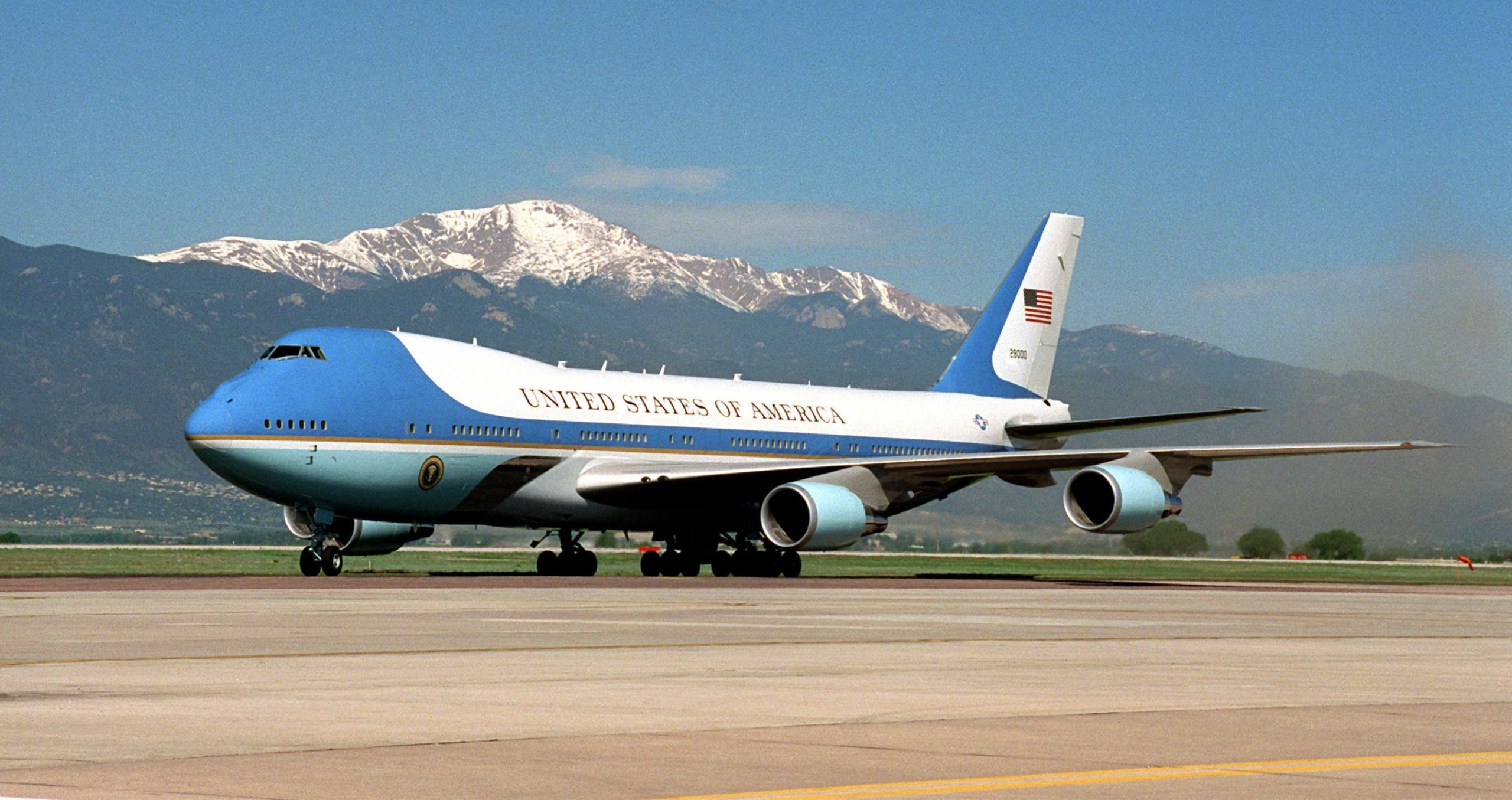
It's likely that Vice President Biden will experience the limits of American authority from the presidential suite on Air Force One.
[zombify_post]

0 Comments