



















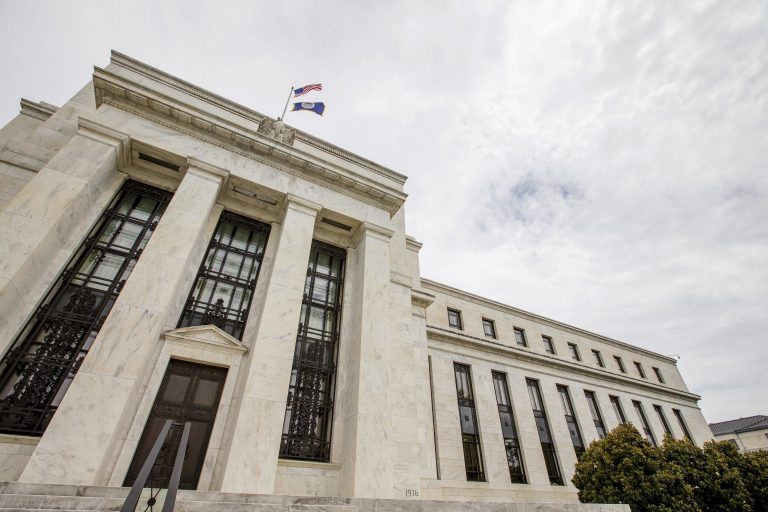
Officials from the Federal Reserve concurred last month that, even if it slowed the US economy, interest rates may need to rise for longer in order to prevent greater inflation from becoming entrenched.
The Federal Open Market Committee's June 14-15 policy meeting minutes, which were published on Wednesday in Washington, show that policymakers supported increasing rates by either 50 or 75 basis points at their subsequent meeting in July. They believed it was essential to preserve the credibility of the central bank in order to manage inflation.The minutes stated that many participants believed that a serious risk currently facing the committee was that rising inflation may become entrenched if the public started to doubt the committee's resolve to change the attitude of policy as necessary.
The return of inflation to 2 percent was seen as essential to achieve maximum employment on a sustainable basis by officials, who also "understood that policy firming could delay the speed of economic expansion for a while."
Financial markets have been rocked by the Fed's vigorous efforts to cool the highest inflation in 40 years as investors worry that tighter monetary policy may send the US economy into recession.
In June, officials raised interest rates by 75 basis points, which was the largest increase since 1994. This brought their benchmark rate to a goal range of 1.5 percent to 1.75 percent, and Chair Jerome Powell said they would do it again in July.
At a post-meeting press conference, he informed the media that policymakers' meeting on July 26–27 would probably discuss another 75 basis-point increase or a 50 basis-point shift.
After inflation data came in hot and a crucial indicator suggested that US consumers' expectations for future price pressures may be intensifying, officials increased interest rates significantly in June, despite having earlier said they preferred a 50 basis-point raise.
The minutes revealed that of the 18 policymakers, Kansas City Fed President Esther George was the only one who opposed rising by 75 basis points in June and opposed the rise in favor of a lower raise.
The minutes from that meeting stated that central bankers "recognized the prospect that an even more restrictive policy could be required if rising inflation pressures were to persist."The cost of bringing inflation back down to the committee's aim would be higher "if inflation expectations were to become unanchored," according to policymakers.
Since that meeting, a number of officials have reinforced Powell's assessment of the expected result of the rate decision in July, even as recession fears grow.
The personal consumption expenditures price index, which the Fed uses to calculate its inflation objective, has increased by 6.3% since May 2021, exceeding its 2 percent target by more than three times.
Although it will be difficult, Powell has suggested there are ways to reduce inflation while maintaining a robust labor market.
In response to data suggesting weak consumer spending, tightening financial conditions, and a fall in US manufacturing output, economists have revised their growth projections downward.
The home market is also being cooled by rising mortgage rates, which have doubled since the year's beginning. Some industries are also experiencing a decline in demand
According to Bloomberg Economics, the likelihood of a US recession in the coming year has increased to about one in three. Similar pessimism can be seen in interest rate futures markets, where traders predict that the Fed would change direction the next year, stopping rate increases earlier than expected and starting to decrease rates by the middle of 2023.
[zombify_post]

0 Comments