



















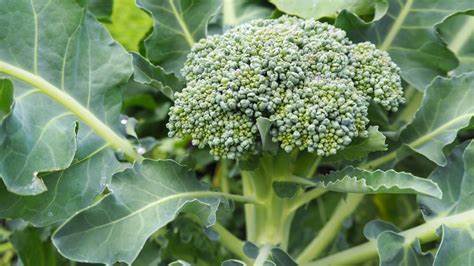
Broccoli is well-known for its health benefits. When you think of healthy eating, it's likely one of the first foods that comes to mind. But you might not realize how healthy this cruciferous vegetable is, or how many different (and tasty) ways you can include it in your meals, snacks, and yes, even drinks. Here's a rundown of the benefits of this superfood, as well as several simple methods to incorporate it into your weekly diet.
Broccoli is high in nutrients.
Raw broccoli has only 25 calories, fewer than 5 grams of carbohydrate, no fat, and a few grams of plant protein in one cup. Despite this, broccoli is a nutrient-dense vegetable. One cup of cooked spinach offers about 250 percent of the daily vitamin K requirement, which aids in blood clotting and is essential for bone health.
In addition, that same-sized portion provides 135 percent of the daily value for vitamin C, which helps the immune system and collagen, as well as more than half of the daily value for chromium, a mineral that helps with energy metabolism and blood sugar regulation, and more than 40% of the daily value for folate, a vitamin linked to memory and mood.
A cup of cooked broccoli also contains more than 10% of the daily recommended amount of vitamins A, B6, B2, and E, as well as phosphorus, choline, manganese, copper, and potassium, as well as at least 5% of the daily recommended amount of magnesium, zinc, iron, calcium, and selenium.
This superfood also contains alpha-linolenic acid, or ALAs, which are plant-based omega-3 fatty acids related to anti-inflammation and better circulation.Broccoli is a high-fiber vegetable.
Raw broccoli has 2-3 grams of fiber per cup, which promotes digestive health and feeds beneficial bacteria in the stomach that are linked to anti-inflammation, immunity, and mood. Over two ounces of water are also contained in the same size serving. The combination of fiber and water increases feelings of fullness, which aids with weight management. In addition, fiber aids in blood sugar and insulin management, resulting in consistent, even energy.
It may aid in the prevention of cancer.
Broccoli belongs to the same cruciferous vegetable family as cauliflower, kale, Brussels sprouts, cabbage, and collard greens. Cruciferous vegetables support apoptosis, or the self-destruct sequence the body uses to kill off dysfunctional cells, by neutralizing carcinogens and preventing cancer cells from growing and spreading. Cruciferous vegetables also support apoptosis, or the self-destruct sequence the body uses to kill off dysfunctional cells.Broccoli is good for your heart.
In the United States, heart disease is still the leading cause of death for both men and women. Broccoli and other cruciferous vegetables protect the heart by minimizing artery damage that leads to hardening, which is commonly a precursor to a heart attack or stroke.
It has a link to mental health.
Some of broccoli's nutrients and natural bioactive chemicals have been connected to brain and nervous tissue health, as well as protection against age-related cognitive decline.
Broccoli is good for your bones.
Broccoli is unusual in that it includes a number of nutrients that are important for bone growth and the prevention of bone loss. Vitamin K, potassium, magnesium, phosphorus, and calcium, as well as copper, iron, zinc, vitamins A and C, and B vitamins, are among these. These nutrients work together to help you gain bone growth and strength.It is anti-inflammatory.
Broccoli's anti-inflammatory properties have been linked to a lower risk of chronic diseases, in addition to helping to prevent premature aging. Inflammation-fighting chemicals may also help treat existing inflammatory illnesses such type 2 diabetes, rheumatoid arthritis, inflammatory skin problems, bowel disease, and obesity by protecting cells from DNA damage. Women who ate more cruciferous vegetables had lower levels of pro-inflammatory markers in their blood, according to a new study.
It's a natural way to get rid of toxins.
According to research, naturally occurring molecules in broccoli work as detoxifiers, meaning they help to deactivate potentially harmful substances or expedite their removal from the body.Broccoli is good for your heart.
In the United States, heart disease is still the leading cause of death for both men and women. Broccoli and other cruciferous vegetables protect the heart by minimizing artery damage that leads to hardening, which is commonly a precursor to a heart attack or stroke.
It has a link to mental health.
Some of broccoli's nutrients and natural bioactive chemicals have been connected to brain and nervous tissue health, as well as protection against age-related cognitive decline.
Broccoli is good for your bones.
Broccoli is unusual in that it includes a number of nutrients that are important for bone growth and the prevention of bone loss. Vitamin K, potassium, magnesium, phosphorus, and calcium, as well as copper, iron, zinc, vitamins A and C, and B vitamins, are among these. These nutrients work together to help you gain bone growth and strength.It is anti-inflammatory.
Broccoli's anti-inflammatory properties have been linked to a lower risk of chronic diseases, in addition to helping to prevent premature aging. Inflammation-fighting chemicals may also help treat existing inflammatory illnesses such type 2 diabetes, rheumatoid arthritis, inflammatory skin problems, bowel disease, and obesity by protecting cells from DNA damage. Women who ate more cruciferous vegetables had lower levels of pro-inflammatory markers in their blood, according to a new study.
It's a natural way to get rid of toxins.
According to research, naturally occurring molecules in broccoli work as detoxifiers, meaning they help to deactivate potentially harmful substances or expedite their removal from the body.How to Increase Broccoli Consumption
Dip fresh broccoli in hummus, seasoned tahini, or guacamole to enjoy. Alternatively, coarsely cut or shred it and toss it into salads or slaws. Steam cooked broccoli to retain the most nutrients, then top with a dairy-free extra virgin olive oil-based pesto, olive tapenade, or savory nut butter sauce.
Broccoli can also be softly sautéed in extra virgin olive oil, oven-roasted in avocado oil, and added to stir fries, soups, stews, frittatas, fajitas, and other recipes.
Raw or frozen broccoli can be blended into smoothies, and finely chopped or pureed broccoli can be used in baked goods, pesto, and other sauces. Alternatively, one of the newest trends is broccoli coffee, which uses powdered broccoli powder. Eating more of this wonder vegetable in any form is a smart strategy to boost your nutrient intake and protect your health.
[zombify_post]

0 Comments